Can an OT Help With Autism and ADHD?
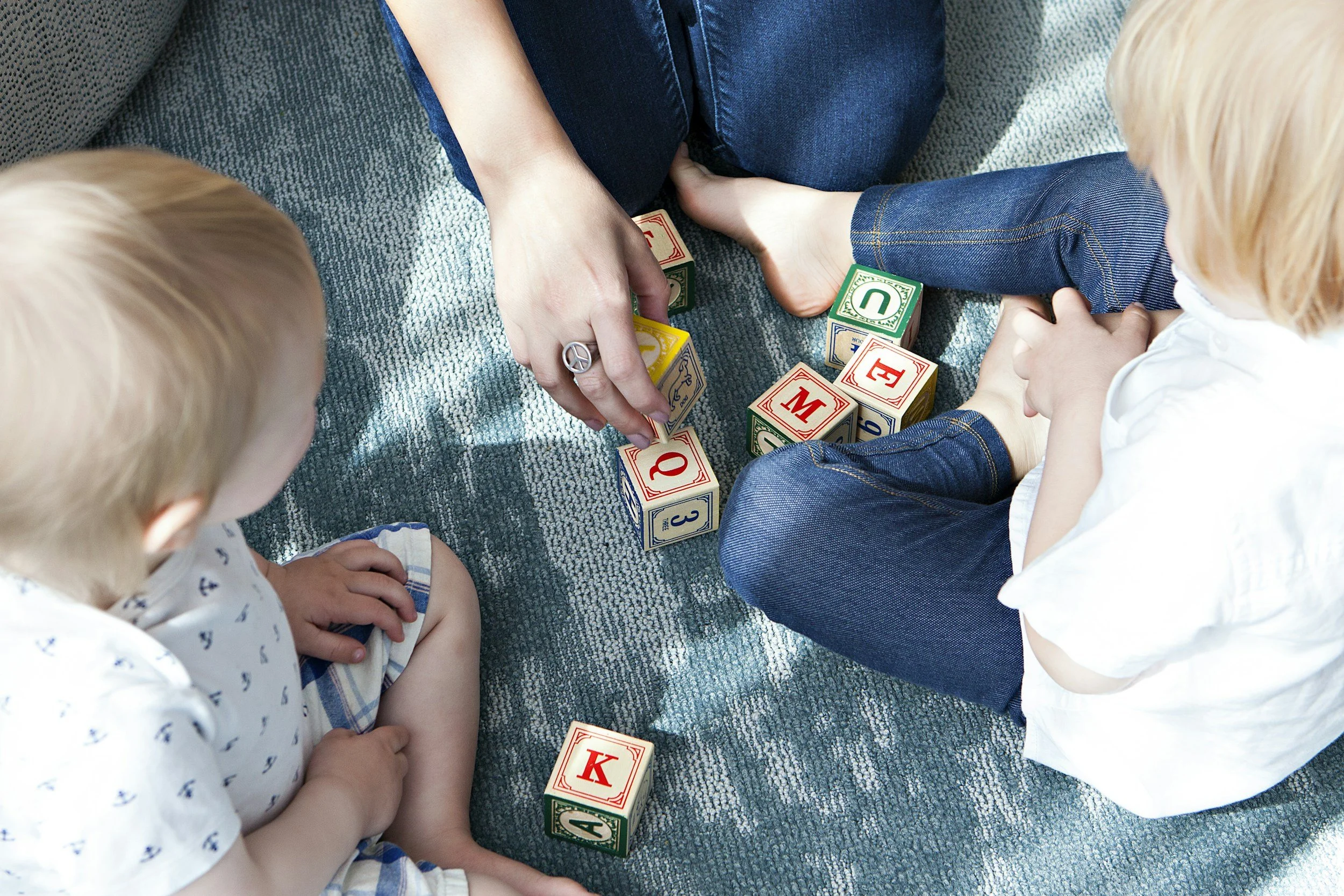
If you've typed "can an OT help with autism" or "occupational therapy for ADHD near me" into Google, chances are you're trying to work out the next step for your child, a family member, or yourself. Maybe a teacher suggested it. Maybe your paediatrician mentioned OT in the same breath as a diagnosis. Or maybe you've simply noticed that everyday life is taking a lot more out of someone you love than it seems to for everyone else.
The short answer is yes. Occupational therapy is one of the most common supports for Autistic and ADHD children and adults in Australia. But "OT" can mean a lot of different things, and what it looks like depends on the person, their age, and what's feeling hardest day to day.
What Does an OT Actually Do for Autism and ADHD?
Occupational therapists look at the "occupations" of daily life: the things you need and want to do each day. For a child, that might be getting dressed, eating breakfast, playing with friends, coping in the classroom, and winding down at bedtime. For an adult, it might be getting to work on time, keeping on top of the house, managing emotions under pressure, or parenting.
Autism and ADHD shape how the brain processes attention, sensory input and emotion. An OT's job isn't to change who someone is. It's to understand how their brain and body work, then build strategies, skills and environments that make daily life feel more manageable.
At Nesting Space, our approach is collaborative, neuroaffirming, and trauma-informed. We see autism and ADHD as differences in how a brain is wired, not problems to be fixed. We don't aim to make anyone look or act "less Autistic" or "less ADHD". We aim to reduce distress, build on strengths, and help people do the things that matter to them.
Common Areas an OT Can Help With
Every person is different, but these are some of the areas we see most often.
Sensory processing. Many Autistic and ADHD people experience sensory input more (or less) intensely than others. Noisy classrooms, scratchy clothing tags, bright lights or busy shopping centres can tip the nervous system into overwhelm. An OT can help identify sensory preferences and build a sensory toolkit for home, school or work.
Emotional regulation. Big feelings often arrive fast and hit hard. OT can help children and adults notice early warning signs in the body, find regulation strategies that actually suit them, and recover more gently after a meltdown or shutdown.
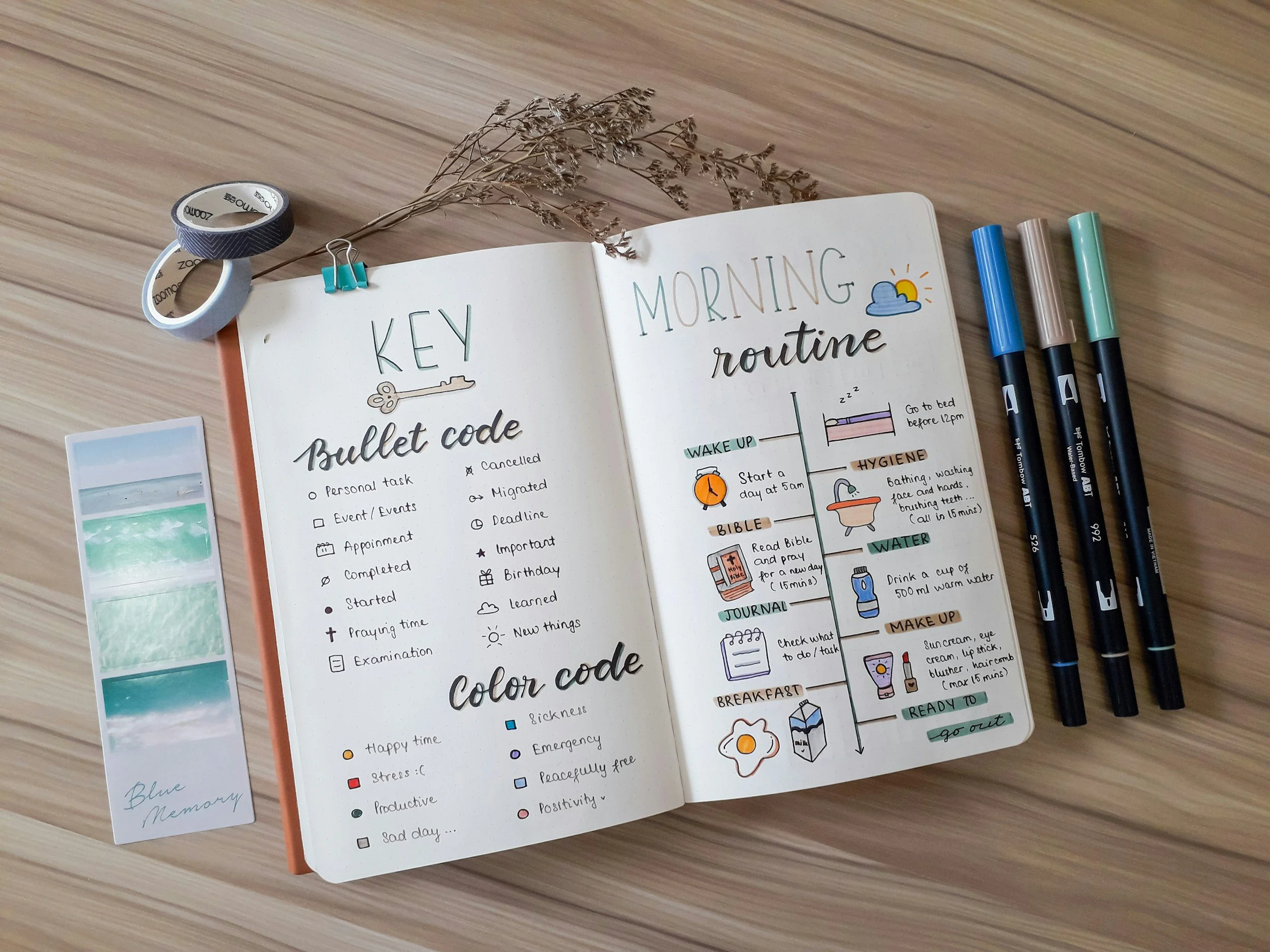
Executive functioning. Planning, organising, starting tasks, keeping track of time and switching between activities are common sticking points, particularly with ADHD. An OT might use visual schedules, routines, checklists or task breakdowns that work with someone's brain rather than against it.
Daily living skills. Dressing, toileting, eating, sleep routines, personal hygiene and household tasks can all be built step by step, at a pace that suits the person.
Fine and gross motor skills. Some children benefit from support with handwriting, using cutlery, coordination or body awareness, which can make a real difference to confidence at school and in play.
Play and social participation. For kids, play is how they learn. OT can support play skills and connection with others, on the child's own terms.
School and work. OTs can recommend practical adjustments for the classroom or workplace, and help build the skills needed for big transitions like starting school, moving to high school, or beginning a new job.
What Does an OT Session Look Like?
For children, OT sessions usually look a lot like play. That's intentional. Children learn best when they feel safe and engaged, so goals are built into games, movement and activities they enjoy. Parents and carers are a big part of the process too, because strategies only stick when they carry over into home life.
For adults, sessions are more conversational. We talk about your routines, your energy levels, what's feeling hardest right now, and what you'd like to be different. From there, we work together on practical strategies you can try between sessions, and adjust as we go.
Most people start with an initial assessment so the OT can understand strengths, challenges and goals. That might include questionnaires, observation, and conversations with family members, teachers or other professionals involved in care.
Do You Need a Diagnosis to See an OT?
No. You don't need a formal autism or ADHD diagnosis to see an occupational therapist privately. Many families come to us while they're on a waitlist for an assessment, or simply because they've noticed their child is finding certain things hard.
That said, a diagnosis can open up funding options, and an OT's observations can sometimes help inform the diagnostic process. If you're not sure where to start, your GP is a good first conversation.
Can OT Help Adults With Autism and ADHD Too?

Absolutely. Plenty of adults are diagnosed later in life, often after years of masking, burnout, or feeling like they were working twice as hard just to keep up. Others are parents who recognise themselves while supporting their own child through an assessment.
For adults, OT can help with rebuilding routines after burnout, managing sensory load at work, organising the household, and finding regulation strategies that genuinely fit. Our occupational therapists are also endorsed mental health clinicians, which means we can support adults where autism or ADHD sits alongside anxiety, low mood or ongoing stress.
How Is OT for Autism and ADHD Funded?
Funding depends on age, diagnosis and individual circumstances, and it's an area that is changing. It's always worth confirming the details with your GP, paediatrician or the practice you're considering.
Medicare. If someone under 25 has an autism diagnosis (or another eligible complex neurodevelopmental condition or disability), a paediatrician or psychiatrist can put together a treatment and management plan. This can provide Medicare rebates for up to 20 allied health sessions, which can include OT. Separately, if autism or ADHD sits alongside a mental health condition such as anxiety or depression, a GP Mental Health Treatment Plan may give access to sessions with a mental health endorsed OT.
NDIS. Many Autistic children and adults access OT through an NDIS plan, depending on their support needs. ADHD on its own is less commonly the basis for NDIS access, and eligibility is assessed case by case.
Thriving Kids. From 1 October 2026, a new government program called Thriving Kids has begun rolling out for children aged 8 and under with developmental delay and/or autism who have low to moderate support needs. It's being introduced gradually and is expected to be fully in place by January 2028. Children with higher support needs will continue to be eligible for the NDIS. Because the details are still being worked out, it's worth checking with your Local Area Coordinator, early childhood partner or GP about what applies to your child.
Private health insurance. Some extras policies include occupational therapy. Check your policy to see what's covered.
How Nesting Space Can Help
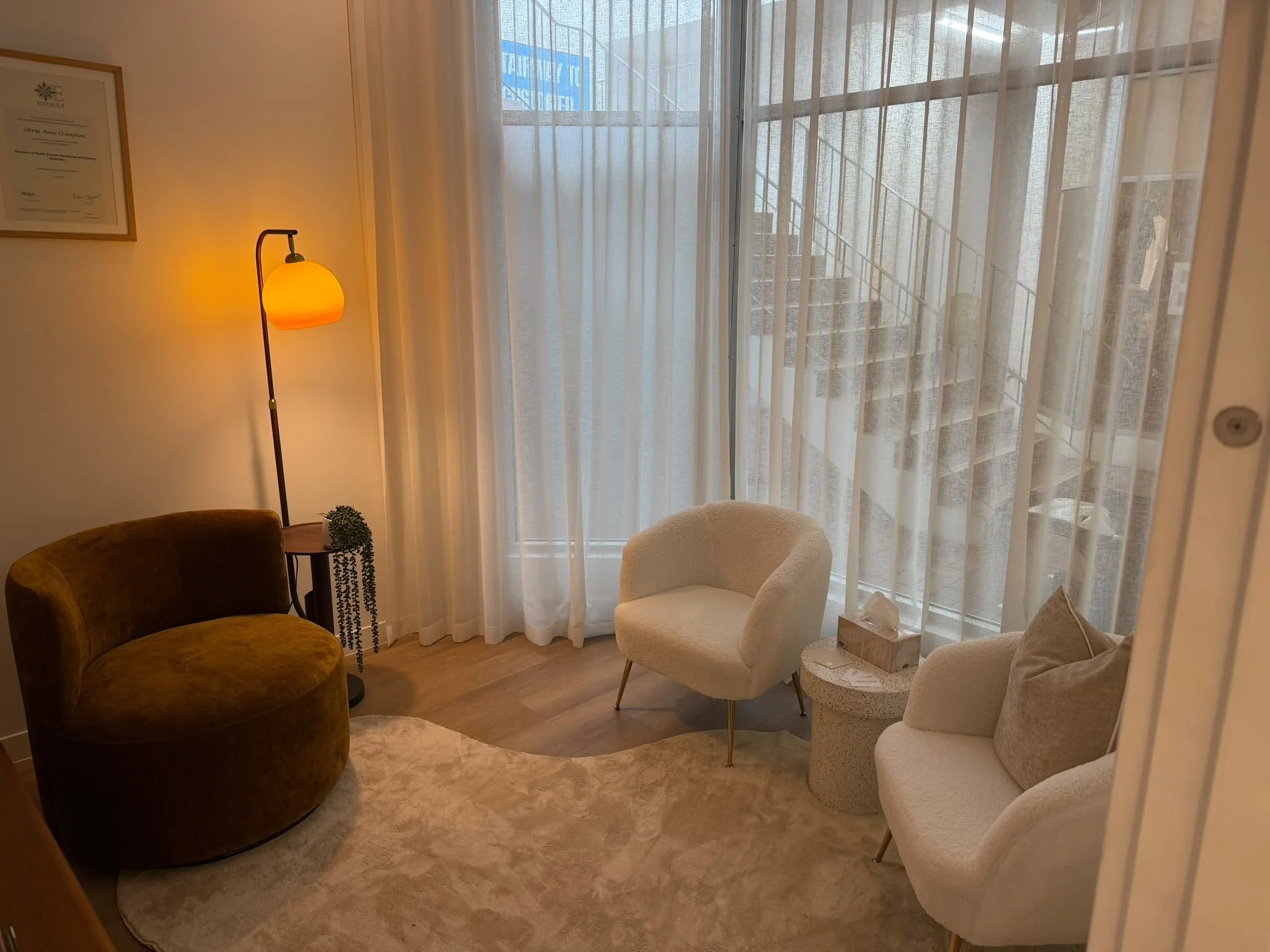
We're a perinatal, occupational, and family mental health practice based in Freshwater, right in the heart of Sydney's Northern Beaches. Our team offers paediatric occupational therapy for children and adult mental health occupational therapy, all through a neuroaffirming, trauma-informed lens.
We're not just clinicians, we're your neighbours, and we know that reaching out about yourself or your child can bring up a lot. Whether you have a diagnosis, you're on a waitlist, or you just have a hunch that some extra support could help, that's a completely normal place to start.
Get in touch with our Northern Beaches team, or have a chat to your GP about a referral, and we'll talk you through what support could look like for you or your family.
Frequently Asked Questions
-
No. In Australia, autism is usually diagnosed by a paediatrician, psychiatrist or psychologist, sometimes as part of a wider team assessment, and ADHD is usually diagnosed by a paediatrician or psychiatrist. An OT can contribute observations to that process and provide support before, during and after a diagnosis.
-
There's no minimum age. Support in the early years can be really helpful, but OT can also begin at any point in childhood, adolescence or adulthood.
-
It depends on the person, their goals and what's going on in daily life. Some people come for a focused block of sessions, while others check in over a longer period. Your OT can give you a clearer idea after the initial assessment.
-
There's a lot of overlap, and many people are both Autistic and ADHD. Rather than following a set program for a label, goals are built around the individual person, their strengths, and what they find hardest.
-
Nesting Space's clinic is based in Freshwater and works with children, adults and families across Sydney's Northern Beaches. Reach out to our team to find out whether we're the right fit for you.