What Does a Mental Health Occupational Therapist Do?

If you've found yourself searching "what does a mental health occupational therapist do," you're probably trying to work out whether this kind of support is right for you or someone you love. It's a fair question. Occupational therapy (OT) is well known for helping people recover from injuries or supporting kids with developmental needs, but its role in mental health flies a bit under the radar, even though it can be just as life-changing.
As your neighbourhood mental health team on Sydney's Northern Beaches, we get asked this a lot, by clients, by GPs, and by people who've simply typed "occupational therapy near me" into Google at 11pm trying to figure out their next step. So here's a plain-English guide to what a mental health occupational therapist actually does, how it differs from psychology or counselling, and how to access this kind of support.
What Is a Mental Health Occupational Therapist?
A mental health occupational therapist is an allied health professional who helps people manage the everyday impact of anxiety, depression, stress, trauma, burnout, and other mental health challenges. Rather than focusing only on symptoms, a mental health OT looks at how those symptoms are actually showing up in daily life: sleep, work, parenting, relationships, routines, and self-care.
In Australia, occupational therapists working in this space can hold a mental health endorsement through Occupational Therapy Australia. This recognises additional training and supervised experience in mental health practice, and it's what allows an OT to provide focused psychological strategies under a GP Mental Health Treatment Plan.
At Nesting Space, our approach is collaborative, neuroaffirming, and trauma-informed. That means we work with you, not on you, we don't pathologise the way your brain and body respond to stress, and we're mindful of how past experiences shape what feels safe in the present.
How Is Mental Health OT Different From Psychology or Counselling?
This is one of the most common questions people ask, and it's a good one. Psychologists and counsellors typically focus on talk-based therapy: exploring thoughts, emotions, and past experiences to build insight and coping skills.
A mental health occupational therapist works alongside this, but with a practical, function-first lens. The guiding question isn't only "how are you feeling," it's "how is this affecting your ability to do the things you need and want to do." In real life, that can look like rebuilding a morning routine after months of disrupted sleep, finding ways to manage sensory overload during a flare-up, breaking an overwhelming task like returning to work into steps that actually feel doable, or setting up your home so it supports calm rather than adding to the noise. It's less about "back to normal" and more about what's realistic and sustainable for you, right now.
Many people see a mental health OT alongside a psychologist or GP, as part of a wider care team rather than instead of one.
What Does a Session Actually Look Like?
Every clinician works a little differently, but sessions with a mental health occupational therapist usually start with a conversation, not a checklist. We want to understand your current routines, your responsibilities, your environment, and what feels hardest to manage right now.
From there, we build a plan together. Depending on what's going on for you, this might include practical strategies for regulating emotions in the moment, structuring your day around your energy levels rather than the clock, sensory-based tools to support focus or sleep, hands-on support with parenting during a hard mental health stretch, or gradual, graded steps back into work, study, or social life. We check in regularly and adjust as things change, because real life rarely goes in a straight line.

Who Can a Mental Health Occupational Therapist Help?
Mental health OT isn't only for people in crisis. On the Northern Beaches, we see:
New and expecting parents navigating the mental load of the postpartum period
Parents and carers supporting a child with additional needs, who are running on empty themselves
People managing anxiety, depression, or burnout who are struggling to keep up with daily life
People rebuilding routines at home after a mental health hospital admission
Anyone with a diagnosed mental health condition who wants practical, day-to-day support alongside their other treatment
Can You Access Mental Health OT Through Medicare?
In many cases, yes. If your GP puts together a Mental Health Treatment Plan, they can refer you to an occupational therapist with mental health endorsement for focused psychological strategy sessions. Under this pathway, you're provided with an initial course of sessions, after which your GP reviews your plan before any further sessions can be claimed, up to a set number per calendar year.
Rebate amounts and session numbers are set by Medicare and do change, so it's worth confirming the current details with your GP or the practice you're considering. A referral is needed before your first appointment, so the usual first step is booking in with your GP to talk through whether a Mental Health Treatment Plan is right for you.
How Nesting Space Can Help
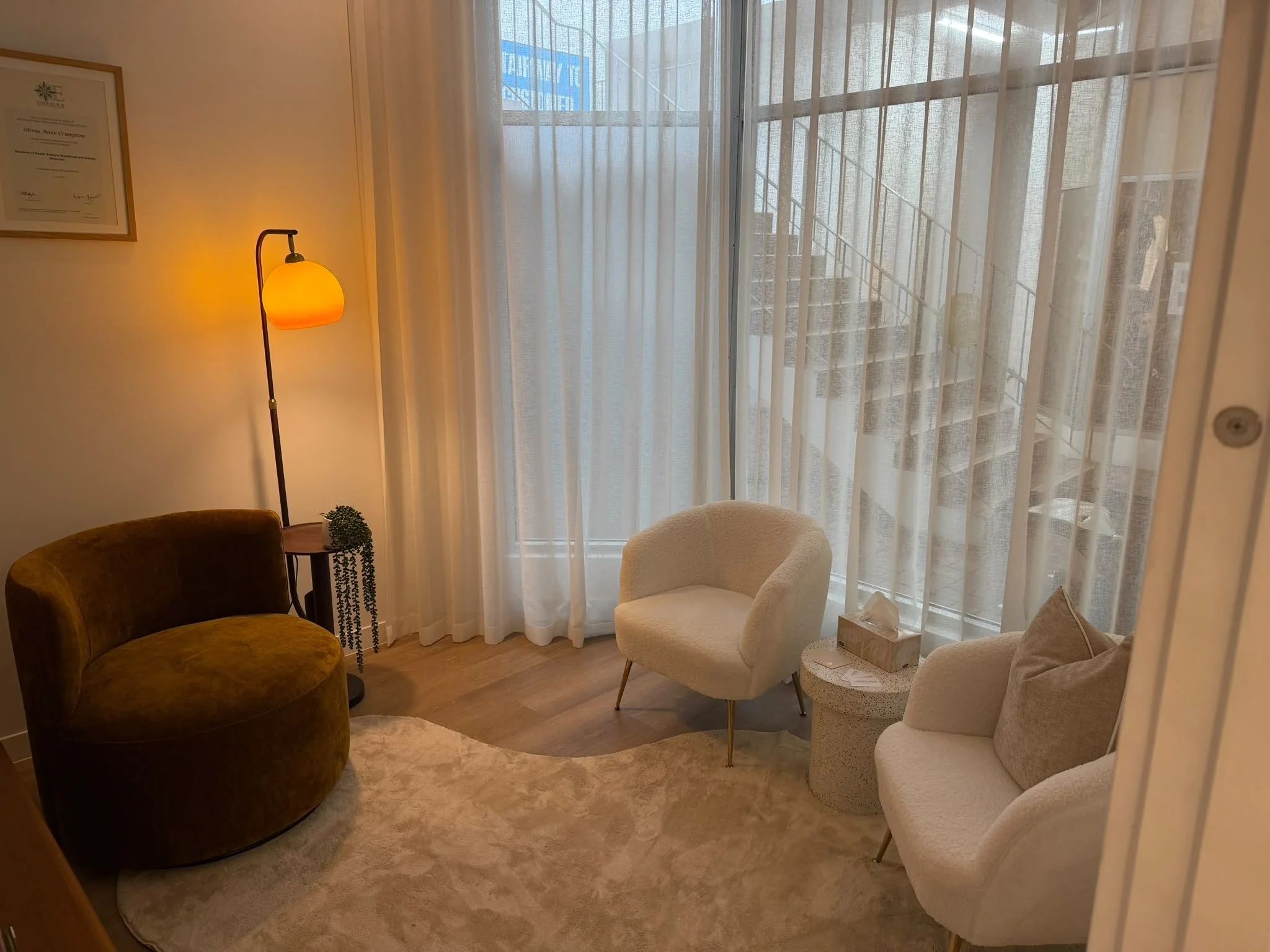
We're a perinatal, occupational, and family mental health practice based in Freshwater, right in the heart of Sydney's Northern Beaches. Our occupational therapists are endorsed mental health clinicians, which means we can see you under a Medicare Mental Health Care Plan as part of a GP-guided pathway.
We're not just clinicians, we're your neighbours, and we know that reaching out for support can feel like a big step. Our focus is on real strategies for real life, whether that's the postpartum period, parenting a child with additional needs, or simply feeling like everyday life has gotten harder to manage than it used to be.
If you're not sure whether mental health OT is the right fit, that's a completely normal place to start. Get in touch with our Northern Beaches team, or have a chat to your GP about a referral, and we'll talk you through what support could look like for you.
Frequently Asked Questions
-
No. Both can be part of your mental health care team, but a psychologist typically focuses on talk-based therapy, while a mental health OT focuses on how your mental health is affecting your daily routines, responsibilities, and environment, and builds practical strategies around that.
-
You don't always need a referral to book privately, but you do need a GP Mental Health Treatment Plan if you want to claim a Medicare rebate for your sessions.
-
Your GP will talk you through current session limits, as these are set by Medicare and reviewed periodically. Typically, an initial course of sessions is provided, followed by a plan review with your GP before any further sessions are claimed.
-
Common areas include daily routines, sleep, emotional regulation, parenting support, returning to work or study, and building sustainable habits during and after a difficult mental health period.
-
Nesting Space’s clinic is based in Freshwater and works with clients across Sydney's Northern Beaches. Reach out to our team to find out whether we're the right fit for you.